The story
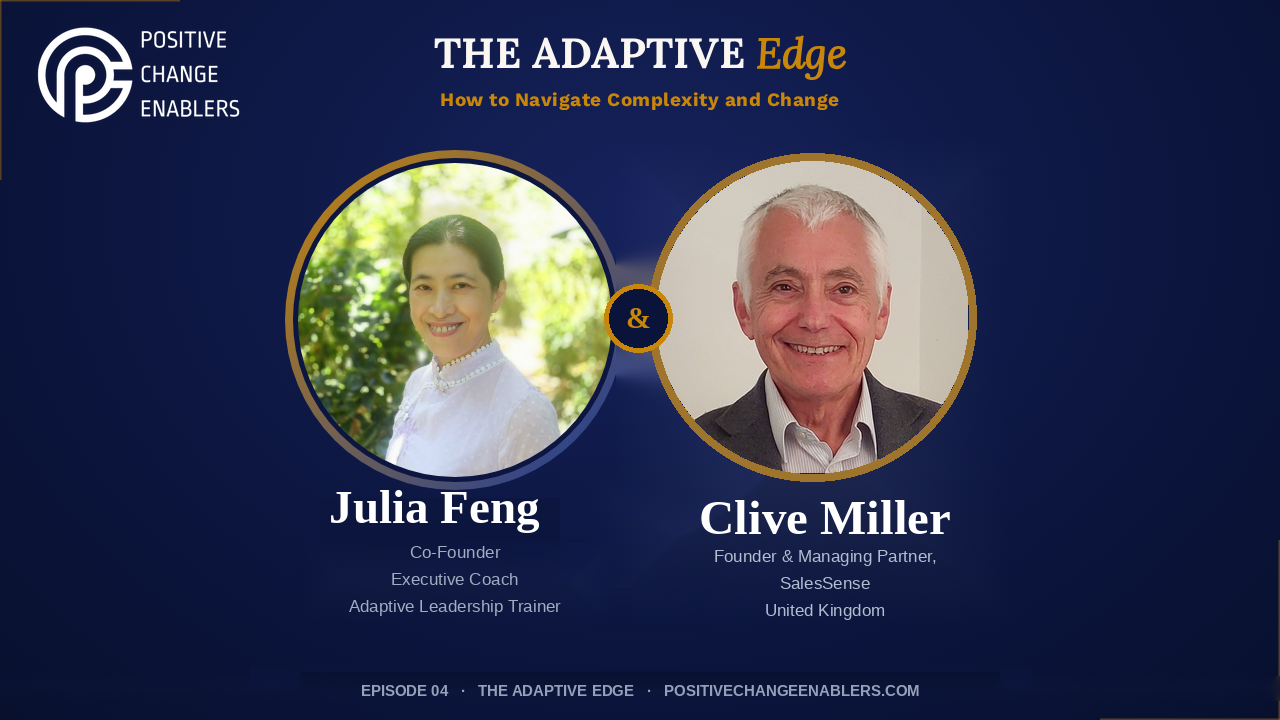
Clive Miller started his own sales consultancy in 1996, after a seventeen-year sales career. He helps people who sell complex things to other businesses. Along the way he lived through a hard stretch of his own: he tried to scale his small firm into a larger training business, underestimated what it would take, and nearly ran out of money. He kept going and is still doing the work.
In the interview, he explains why complex sales are different. The higher the value, the more people are involved, on the customer's side and on the seller's side, and the cycle can last months or years. Selling becomes less about presenting well and more about organizing people.
“Just being a good presenter is not enough.”
The skill at work: Political Savvy & Coalition Building (Skill 9)
Political Savvy & Coalition Building is the skill of understanding power dynamics and building alliances, so that buy-in for the change is established across the customer and seller organizations. Clive describes it as the real job of anyone running a complex sale.
Organizing people who do not report to you
Clive says the salesperson's job is much more like project management: you have two herds of cats, one in your organization and one in the customer's, and you must get them to work together until everyone signs. You cannot use authority. You can only build alignment.
Thinking ahead
Because it can take months or years, he stresses forethought, planning and preparation. The people who will be needed later must be identified and brought in early, not when the deal is already late.
Declaring that you make no assumptions
His CLEAR approach begins with three rules. The first is to make no assumptions, for example about who is affected or whether they agree there is a problem. The second is to say so out loud, which most people will happily accept, and it gives you something to return to later when someone says not to worry about the money or that you do not need to talk to certain people.
Mapping who is really involved
He asks the questions that most sellers skip: who are the people impacted by this, and do they all think the same thing? People hold different views of a complex problem, and a coalition that ignores them will break later.
Not rushing to the solution
If you present a definite solution too early, you give up the only reason the customer has to talk to you. Once they think they have what they need from you, they take it into an internal process where you have no voice. Clive calls the result a black hole. Only by establishing a joint evaluation plan can you stay in a dialogue as their internal buying process unfolds.
Preparing the people who will have to change
He sees the same issue in training: teams are sent on courses without being told why or what they should do differently. Where he can, he does that groundwork first, so that the people who must change understand and want it.
Try this
Think of a change you need to lead. Who are the people involved who do not report to you? Which of them might see it differently, and what one conversation could you have with them this week?
This article is our interpretation of Clive's story, based on the conversation on The Adaptive Edge Podcast. The framework names are ours; the events and lessons are his own.