The story
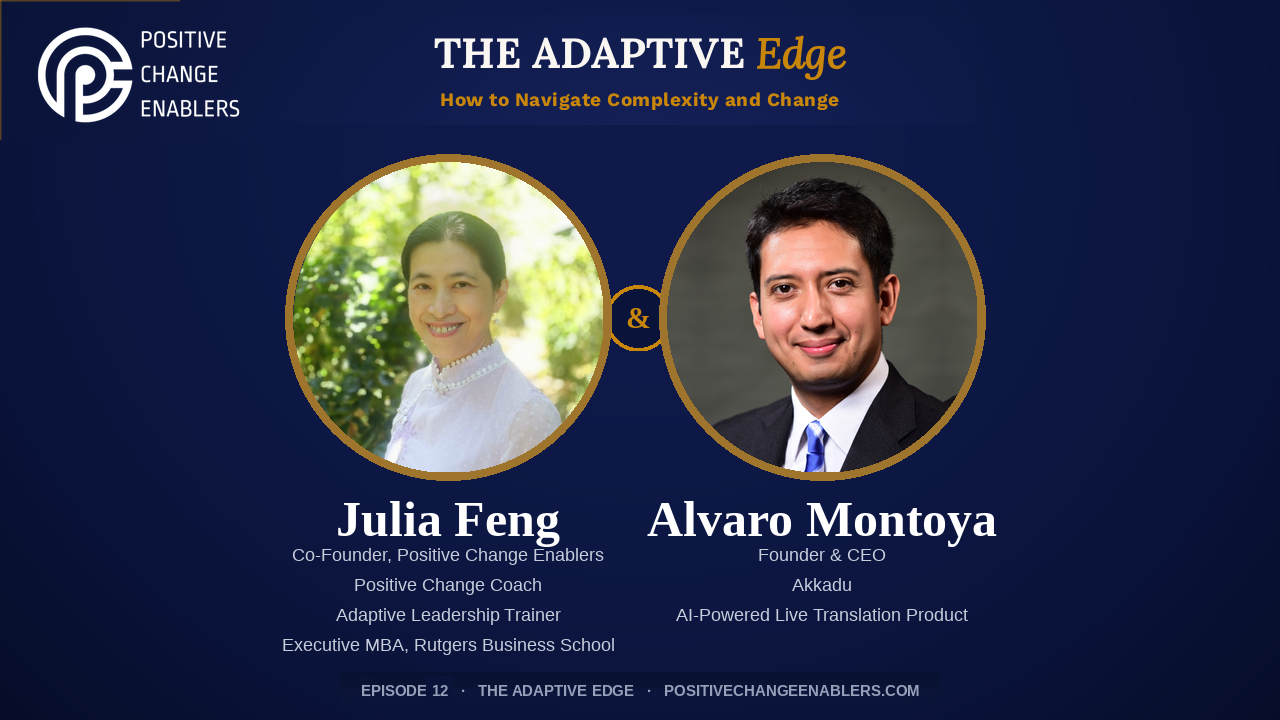
Alvaro Montoya is an engineer from Barcelona who has lived in China for about fifteen years. In 2018 he started a company to solve a translation problem he had seen in meetings and events. It won competitions and raised funding, but as the market gave feedback he realized the direction was wrong. He did not like the business model, which was essentially a traditional translation service, and his team could feel that nobody knew where the company was going. Many people left.
After roughly a year and a half of trying other pivots, he made a final one with a few months of money left: a real-time translation software product powered by AI. Today the company is profitable and runs with two people, down from fifteen.
“It’s not about winning or losing. It’s about winning or learning.”
The skill at work: Keen Observation (Skill 2)
Keen Observation is the skill of getting on the balcony: stepping back from the action to see the pattern and root cause before reacting. Alvaro does this repeatedly, and he does it with evidence rather than feelings.
Seeing that the direction was wrong
The first act of observation was admitting what he saw. The business model was one he personally did not want, customers wanted to negotiate and be served, not click and pay, and his team's uncertainty told him something too. He read all of that as data about direction, not as a sign to try harder.
Testing the market cheaply
Before betting everything on the AI idea, he spent about one hundred dollars on search ads to see whether anyone in the world was looking for it, with three price points on his page. In the first week someone paid the highest price. A small, fast experiment gave him a real signal.
Paying to find out fast
When he wondered whether translation agencies might buy his platform, he flew abroad to an industry event and spoke with dozens of them. Within three or four days he knew it was the wrong market. He accepts that the trip was expensive, because learning that early was cheaper than learning it later.
Tracking the facts that hurt
He kept a table of his months of runway, counting down from eleven. Seeing the number made the pivot urgent and focused. With five months left he cut everything not essential, such as a forgot-password feature, and built something paying customers wanted.
Listening to the right voices
He advises listening to potential paying customers, not to relatives, because their feedback is kind but not informed. He also learned from watching other founders: none of the successful ones he met had started with the idea that made them successful.
Try this
Pick one project of yours that feels stuck. What evidence, not feeling, tells you if the direction is right? What is the cheapest experiment you could run this week to find out?
This article is our interpretation of Alvaro's story, based on the conversation on The Adaptive Edge Podcast. The framework names are ours; the events and lessons are his own.